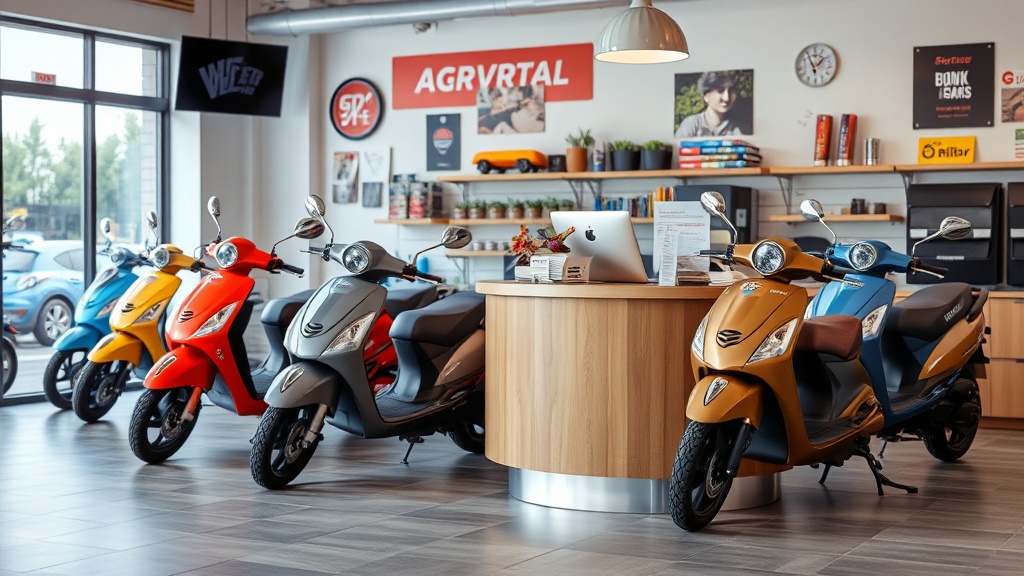
Your Fleet Is Your Business
For a scooter or moped rental operation, the fleet is everything. Each unit on your lot represents capital you have invested and revenue you expect to earn. When a unit is wrecked, dropped, vandalized, or stolen, you lose both at once — the asset and the income it would have produced while it sits in the shop or never comes back at all.
Rental fleet physical damage coverage exists for exactly this reason. It protects your own machines, not someone else's property and not someone else's injury, but the scooters and mopeds you own and rent out. This article explains how that coverage works, how it differs from a damage deposit, and how deductibles shape what you actually recover.
What Fleet Physical Damage Covers
Physical damage coverage responds when one of your own units is damaged or lost. In a rental context, the most common triggers are:
- Collision damage — a renter drops the unit in a turn, clips a curb, or strikes another vehicle.
- Theft — a renter fails to return a unit, or a scooter is stolen off your lot or off the street.
- Vandalism — mirrors snapped, panels keyed, seats slashed, or wiring cut.
- Other physical loss — fire, severe weather, or flooding that damages units in storage.
Whether the damage happens while a renter is on the road or while the unit sits at your location, physical damage coverage is what turns a wrecked or missing scooter back into a repaired unit or a replacement check.
The Renter-Caused Damage Reality
Rental units take far more abuse than privately owned ones. The person riding does not own the machine, may be unfamiliar with how it handles, and has no long-term stake in its condition. That combination produces a steady stream of incidents:
- A tourist unfamiliar with a twist throttle accelerates into a planter.
- A renter parks on a slope and the unit tips, cracking the cowl.
- A unit is returned with a bent rim and the renter swears they "didn't hit anything."
- A moped simply never comes back, and the phone number on file is disconnected.
Each of these is a real loss to your fleet value. Physical damage coverage is what keeps these everyday events from quietly draining your reinvestment budget.
Theft of Units
Theft deserves special attention because it is both common and expensive. A stolen unit is a total loss — you recover nothing unless it is found, and recovered units are frequently stripped or damaged. Coverage for theft within your physical damage program is essential, and underwriters will look closely at how you deter it.
Operators who reduce theft losses typically use:
- GPS tracking on higher-value units for deterrence and recovery.
- Secured overnight storage with locks, gates, or chains.
- Renter screening and verified identification before handing over keys.
- Mileage or geofence limits that flag a unit straying outside the service area.
Deductibles: How They Shape Your Recovery
Every physical damage policy carries a deductible — the amount you pay before coverage responds. Choosing the right deductible is a balancing act:
- A lower deductible means more out of the carrier on each claim, but a higher premium.
- A higher deductible lowers your premium but means small claims are yours to absorb.
For a fleet with frequent minor drops, an extremely low deductible can backfire because the carrier sees high claim frequency and raises rates. Many smart operators set a deductible high enough to self-handle cosmetic scratches while reserving coverage for the serious wrecks and total losses that actually threaten the business.
Damage Deposits Are Not Insurance
This is the single most important point for any rental owner to understand. A damage deposit collected from a renter is not insurance — it is a small cushion against minor wear, nothing more.
Consider the math. A typical deposit might cover a scratched mirror or a scuffed panel. It will not cover:
- A unit totaled in a collision.
- A scooter stolen and never recovered.
- Damage that exceeds the deposit, which the renter then disputes or refuses to pay.
Chasing a renter for the difference is slow, expensive, and often fruitless, especially with out-of-town customers. The deposit is a deterrent and a convenience. Real protection for your fleet comes from physical damage coverage that pays regardless of whether the renter can or will.
Pairing Coverage With Strong Agreements
Insurance works best alongside disciplined operations. A clear, signed rental agreement for every transaction documents the condition of the unit, the renter's responsibilities, helmet and safety requirements, and the consequences of damage or non-return. Photos at checkout and return create an evidence trail. None of this replaces coverage, but it strengthens claims and reduces disputes.
Protect Every Unit on Your Lot
A single bad rental — a totaled scooter or a unit that vanishes — can erase a month of profit. Multiply that across a busy season and the case for proper fleet physical damage coverage is obvious.
Our team specializes in rental and powersports fleets and can structure physical damage coverage with deductibles that fit your claim patterns and your budget. Call us at 844-967-5247 or request a quote today, and keep every unit on your lot earning instead of costing.